Stepping off a 14-hour flight feeling refreshed and energized seems like a superpower reserved for a select few. For most travelers, the reality of long-haul flights is a draining combination of jet lag, dehydration, and sheer exhaustion. This deep travel fatigue can steal the first few days of a much-anticipated vacation or derail an important business trip. However, managing your energy levels across multiple time zones is not about luck. It’s a skill that can be learned. With the right preparation and in-flight strategies, you can significantly reduce the physical toll of long-distance travel. Here are some actionable energy management techniques to help you conquer your next long-haul flight and hit the ground running.
Why Long-Haul Flights Drain Your Energy
Understanding the root causes of travel fatigue is the first step toward combating it. A long-haul flight is a multi-faceted assault on your body's natural rhythms and physical well-being. The discomfort and exhaustion you feel are not from a lack of sleep, but from a combination of environmental and physiological factors.
Key challenges your body faces include:
- Dehydration: The air inside an airplane cabin has extremely low humidity, often around 10-20%, which is drier than most deserts. This environment actively pulls moisture from your body, leading to dehydration, which causes fatigue, headaches, and lethargy.
- Disrupted Circadian Rhythms: Crossing multiple time zones throws your internal body clock, or circadian rhythm, into chaos. This disconnect between your internal clock and the new time zone is the primary cause of jet lag, affecting sleep, mood, and cognitive function.
- Immobility: Sitting in a cramped seat for hours on end restricts blood flow, leading to muscle stiffness, swelling in the legs, and a general feeling of sluggishness. Lack of movement slows down your metabolism and contributes to fatigue.
- Low Oxygen Levels: Cabin pressure is typically equivalent to an altitude of 6,000 to 8,000 feet. This lower oxygen saturation (hypoxia) can leave you feeling tired and short of breath, even while sitting still.
Pre-Flight Preparation: Setting Yourself Up for Success
Effective energy management begins long before you board the plane. The choices you make in the 24-48 hours leading up to your flight have a massive impact on how you will feel during and after the journey.
Adjust Your Sleep Schedule
Start gradually shifting your sleep and wake times to be closer to those of your destination.
- Traveling East: Go to bed and wake up an hour or two earlier for a few days before your trip.
- Traveling West: Go to bed and wake up an hour or two later.
- This gentle adjustment gives your body a head start in adapting to the new time zone, making the eventual transition less of a shock.
Hydrate and Eat Smart
Your pre-flight diet can either fuel you or drain you.
- Prioritize Hydration: Increase your water intake significantly in the day or two before you fly. Being well-hydrated from the start provides a buffer against the dry cabin air.
- Avoid Draining Foods and Drinks: Steer clear of alcohol and excessive caffeine, as both are diuretics that contribute to dehydration. Heavy, fatty foods can also make you feel sluggish, so opt for light, nutrient-rich meals with complex carbohydrates and protein.
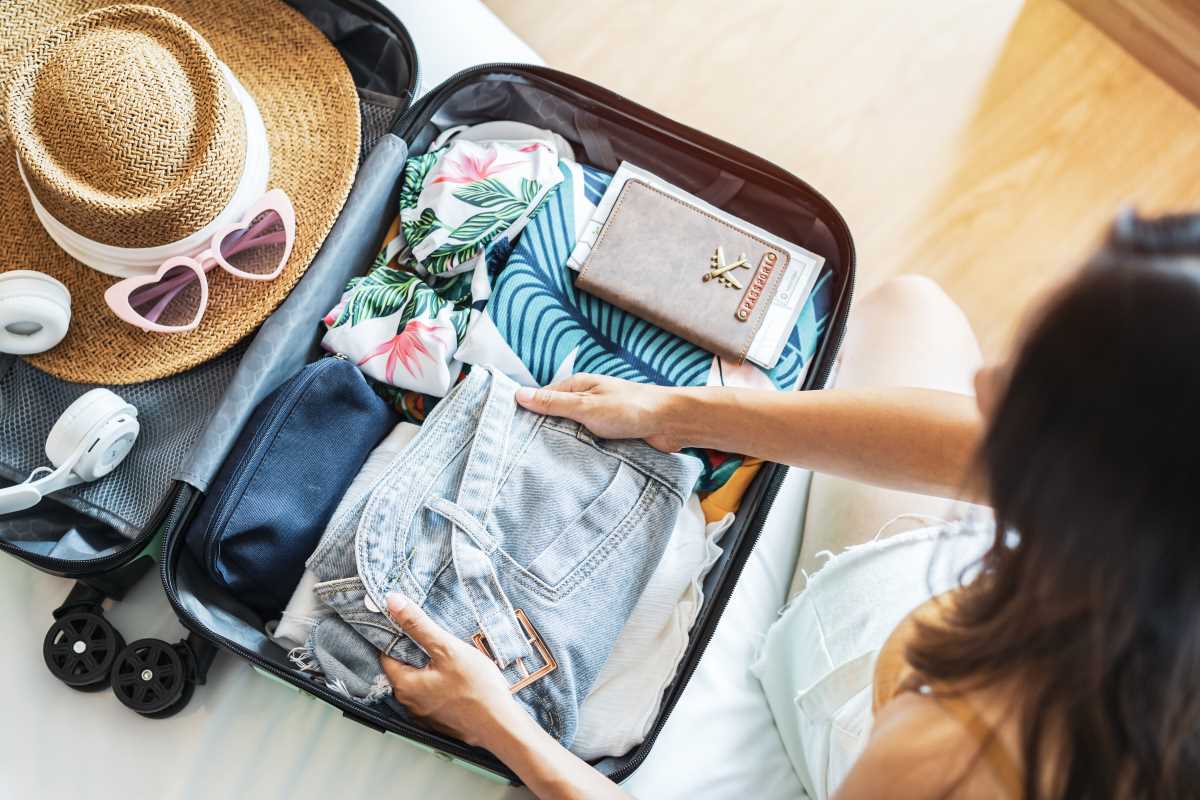
Pack for Comfort and Energy
Your carry-on bag should be your in-flight survival kit.
- Comfort Essentials: Pack a neck pillow, eye mask, and earplugs or noise-canceling headphones to create a better environment for rest.
- Layers of Clothing: Wear loose, comfortable clothing and bring layers like a sweater or scarf, as cabin temperatures can fluctuate.
- Empty Water Bottle: Bring an empty, reusable water bottle to fill up after you pass through security. This ensures you can stay hydrated without constantly having to ask the flight attendants.
In-Flight Strategies for Sustained Energy
Once you are in the air, your focus should shift to actively managing your body's needs. Think of the flight not as a passive experience but as an activity that requires a strategic approach.
Master the Hydration Cycle
This is the single most important in-flight technique.
- Sip, Don't Gulp: Drink water consistently throughout the flight, aiming for at least one cup every hour.
- Avoid Alcohol and Caffeine: While a complimentary glass of wine might seem relaxing, alcohol is incredibly dehydrating at altitude and will disrupt your sleep quality. Stick to water or herbal tea.
Time Your Sleep and Wakefulness
The goal is to align yourself with your destination's time zone as quickly as possible.
- Set Your Watch: As soon as you board, set your watch and phone to the destination's time. Start thinking and acting according to that time.
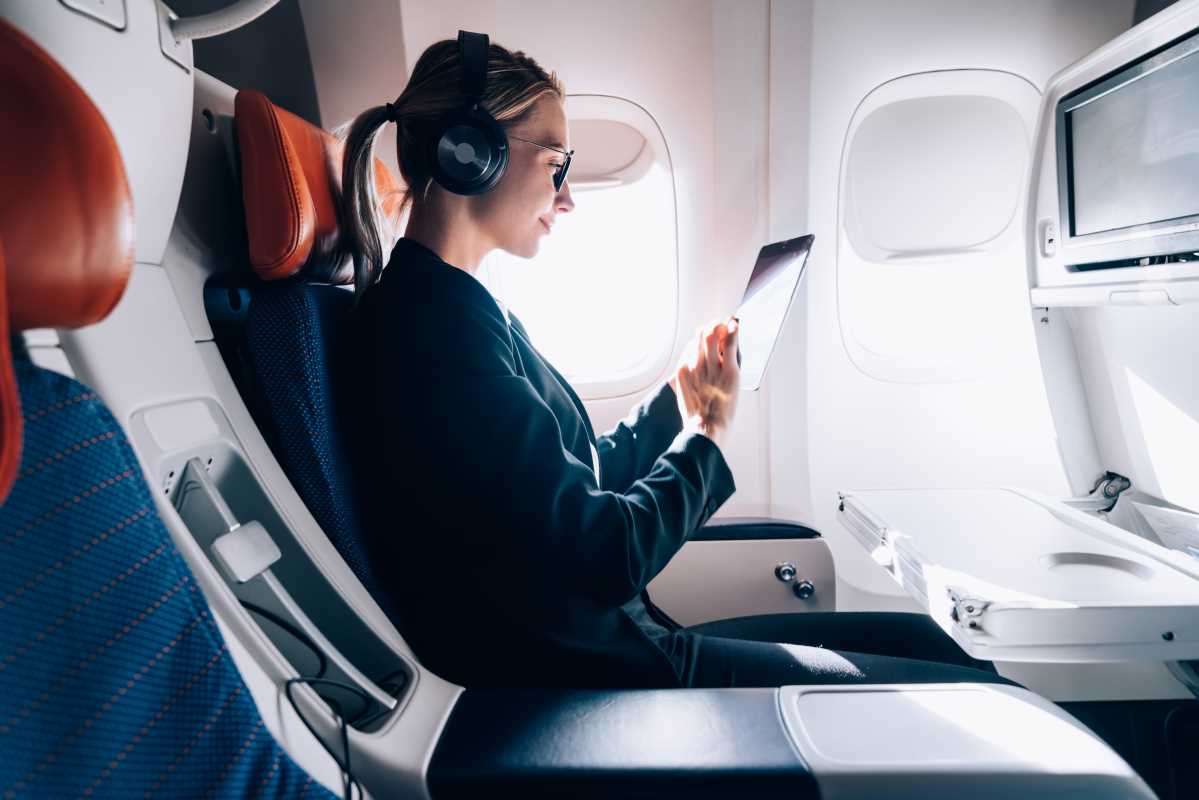
- Sleep Strategically: If it's nighttime at your destination, try to sleep. Use your eye mask and earplugs to block out light and noise. If it's daytime, try to stay awake. Watch movies, read a book, or work on your laptop to keep your mind engaged.
Get Your Body Moving
Immobility is a major contributor to travel fatigue.
- In-Seat Stretches: Perform simple stretches in your seat every hour. Roll your ankles, stretch your neck, and raise your arms overhead.
- Walk the Aisles: When the seatbelt sign is off, get up and walk up and down the aisle for a few minutes. This promotes circulation and prevents stiffness.
- Foot and Leg Exercises: Flex and point your toes, and perform calf raises while seated to keep blood flowing in your lower legs.
Eat Lightly and Purposefully
Airplane food is often high in sodium and preservatives, which can contribute to bloating and lethargy.
- Pack Healthy Snacks: Bring your own snacks like nuts, fruit, or protein bars. This gives you control over what and when you eat.
- Eat According to Destination Time: Try to align your meals with the breakfast, lunch, and dinner times of your destination to further nudge your body clock in the right direction.
Post-Flight: The First 24 Hours
How you spend the first day after landing is critical for a speedy recovery.
- Seek Natural Light: Sunlight is the most powerful signal for resetting your circadian rhythm. As soon as you arrive, spend time outdoors. If you arrive in the morning, exposure to sunlight will help you stay awake and adjust.
- Avoid Long Naps: If you are exhausted upon arrival, a short power nap of 20-30 minutes can be helpful. However, avoid long naps, as they can make it harder to fall asleep at the proper bedtime.
- Stay Active: Resist the urge to collapse in your hotel room. Engage in light physical activity, like a walk around the neighborhood. This will boost your energy levels and help you sleep better later.