The year 2025 has brought about a fascinating shift in how people approach their daily lives. Gone are the days of setting impossible goals or trying to completely reinvent yourself overnight. Instead, the focus has moved toward making small, manageable changes that actually stick. People are realizing that you do not need to overhaul your entire existence to feel happier, healthier, or more organized. It is all about the little things—the micro-habits and simple swaps—that add up to a big difference over time. This new mindset is refreshing because it takes the pressure off. It allows you to experiment with new routines without the fear of failure. Whether it is about getting better sleep, eating a little healthier, or just finding more time to relax, the trend is clear: simplicity is the ultimate upgrade. Everyone is looking for ways to streamline their days and boost their well-being without adding more stress to their already busy schedules.
The Morning "Low-Dopamine" Routine
One of the biggest buzzwords floating around in 2025 is the "low-dopamine morning." For years, the first thing most people did when they woke up was grab their phone and start scrolling. This floods the brain with dopamine, a chemical that makes you feel good but also craves more stimulation immediately. The problem is that starting the day with this high-speed digital rush can leave you feeling scattered, anxious, and unfocused before you even brush your teeth. The lifestyle upgrade everyone is trying now is reclaiming the first hour of the day for calm and quiet.
Instead of diving into the chaos of social media or emails, people are choosing boring but peaceful activities. This might mean making a cup of coffee and staring out the window, reading a physical book, or doing some gentle stretching. The idea is to let your brain wake up slowly and naturally. By delaying that first hit of digital stimulation, you protect your attention span for the rest of the day. It sounds incredibly simple, but the impact is profound. People report feeling more in control of their time and less reactive to stress. It is a small act of rebellion against the constant noise of the modern world, proving that sometimes doing less is actually the best way to start doing more.
Micro-Workouts for Busy Schedules
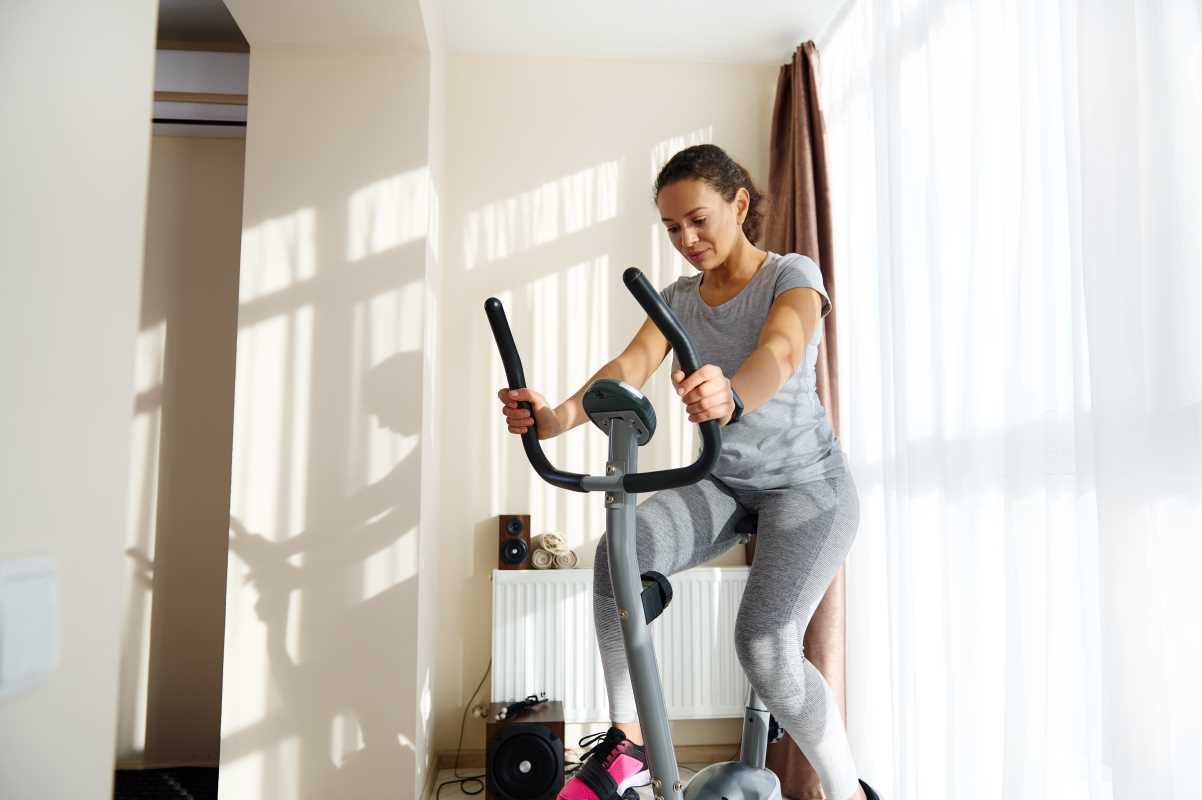
Finding time for a full hour at the gym has always been a struggle, and in 2025, people have finally stopped pretending they will make it happen every single day. The solution? Micro-workouts. This trend is all about sneaking movement into the day in bite-sized chunks. Instead of one long, exhausting session, people are breaking their exercise into five or ten-minute bursts spread throughout the day. This approach makes fitness feel much less intimidating and much more achievable.
You might do a quick set of squats while waiting for your coffee to brew or a few minutes of stretching between homework assignments or video games. Some people even go for a brisk ten-minute walk after lunch. The science backs this up, showing that these small bursts of activity add up and are great for your heart and energy levels. It removes the "all or nothing" mentality that often leads to quitting. If you miss a morning workout, you have not failed; you just find a few minutes later in the day. This flexibility makes it easier to stay consistent, which is the key to seeing results. Plus, these little movement breaks are excellent for clearing your head and shaking off the grogginess that comes from sitting still for too long.
Digital Sundowns and Sleep Hygiene
Just as mornings are being reclaimed, evenings are getting a serious makeover. The concept of a "digital sundown" has become a popular way to combat insomnia and improve sleep quality. We all know that the blue light from screens can mess with our body's internal clock, making it harder to fall asleep. In 2025, people are taking this seriously by setting a strict curfew for their electronics. An hour or two before bed, the phones, tablets, and laptops get turned off or put in another room.
This creates a clear boundary between the busy, connected world and the time for rest. Instead of doom-scrolling until their eyes close, people are rediscovering analog activities. This might involve journaling, drawing, listening to calming music, or preparing clothes for the next day. It is about signaling to your body that the day is over and it is time to wind down. This simple switch helps lower anxiety levels and leads to deeper, more restorative sleep. Waking up feeling truly rested is one of the best lifestyle upgrades you can give yourself, and it all starts with how you spend those last few hours of the day. It turns the bedroom back into a sanctuary for sleep rather than an extension of the office or the entertainment center.
The Rise of Sober Curiosity
Another significant shift in 2025 is the growing interest in "sober curiosity." This does not necessarily mean everyone is giving up alcohol completely forever, but many people are re-evaluating their relationship with it. The social pressure to drink at every party or gathering is fading away, replaced by a focus on mindful choices. People are realizing that they can have just as much fun—and feel much better the next morning—without alcohol.
This trend has led to an explosion of delicious, non-alcoholic drink options. Bars and restaurants are now serving fancy "mocktails" that are just as complex and tasty as regular cocktails, using ingredients like fresh herbs, exotic fruits, and botanical blends. This makes it easy to socialize and hold a drink without the negative side effects. The benefits of cutting back are immediate and noticeable: better sleep, clearer skin, more energy, and saved money. It is a lifestyle upgrade that prioritizes health and clarity. It is about being fully present in the moment rather than blurring the edges. This movement is particularly popular among younger generations who prioritize wellness and mental health over old-school party habits.
Intentional Hydration
Drinking water is nothing new, but in 2025, hydration has become a serious hobby. People are no longer just sipping water when they are thirsty; they are being intentional about it. This upgrade is driven by the understanding that even mild dehydration can cause fatigue, headaches, and poor concentration. To combat this, carrying a high-quality, reusable water bottle has become a major status symbol. These bottles are everywhere, customized with stickers and colors to match personal style.
But it goes beyond just carrying a bottle. People are adding electrolytes to their water to boost absorption and energy. They are using apps to track their intake and setting reminders to drink throughout the day. Some are even infusing their water with fruits like lemon, cucumber, or berries to make it more enjoyable. This focus on hydration is a simple, low-cost way to improve almost every function in the body. When you are well-hydrated, your brain works faster, your skin looks better, and you generally feel more vibrant. It is a foundational habit that supports all the other lifestyle changes. It is the easiest upgrade on the list, but it is one that pays off every single day.
Decluttering for Mental Clarity
The connection between a messy room and a messy mind is becoming widely accepted, leading to a massive wave of decluttering. However, this isn't the extreme minimalism of the past where you had to throw away everything you own. The 2025 version is gentler and more practical. It is about clearing out the things that actively cause stress or get in the way of daily life. This is often called "functional minimalism."
People are tackling one drawer, one shelf, or one corner at a time. The goal is to create a living space that flows smoothly. If you spend ten minutes every morning looking for your keys, that is a source of stress that can be fixed by simply creating a dedicated spot for them. If your closet is bursting with clothes you never wear, donating them makes getting dressed in the morning easier and faster. This process of clearing physical space creates mental space. It reduces the visual noise in your home, making